
/
Rangila 32
Georgetown Rangila invites everyone to revel in the magic, beauty, and enduring legacy of Rangila as we celebrate our 32nd anniversary. Our show will take place November 20 and 21, 2026 in Gaston Hall at Georgetown University. This coming year’s theme will be announced soon!
Rangila 32 PerFormances
Disco Fusion
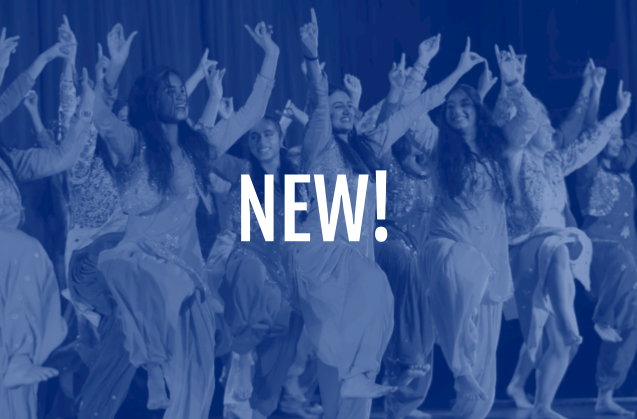
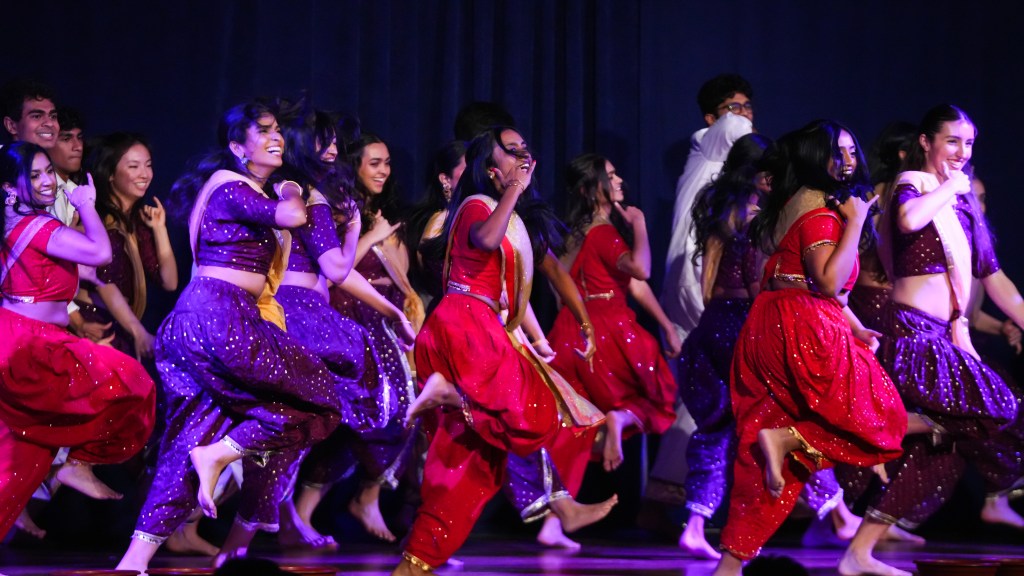
Disco Fusion is an upbeat blend of classic American Disco music, originating in New York City in the early 1970s and 1980s, and South Asian disco music, which was popularized by Bollywood films in the 1980s. Inspired by artists like Michael Jackson and ABBA, this style is characterized by retro flair, rhythmic beats, and classic throwbacks!
Filipino Fusion
Combining traditional Filipino dance styles with Bollywood, hip-hop, and RnB, this fusion dance incorporates traditional dances like Carinosa, the courtship dance, and folk dances performed with props like Tinikling (the bamboo stick dance) and Pandanggo sa Ilaw (the candle dance). Remixed to represent modern “swagapino” culture, Filipino Fusion blends tradition and modernity with dance styles like budots, a popular form of EDM using sounds heard in everyday life in the Philippines, and features music by Filipino and Filipino-American artists.
Bulldog bhangra
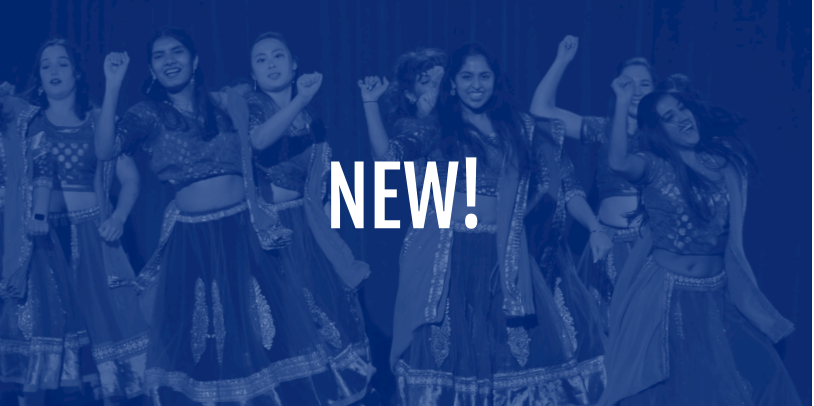
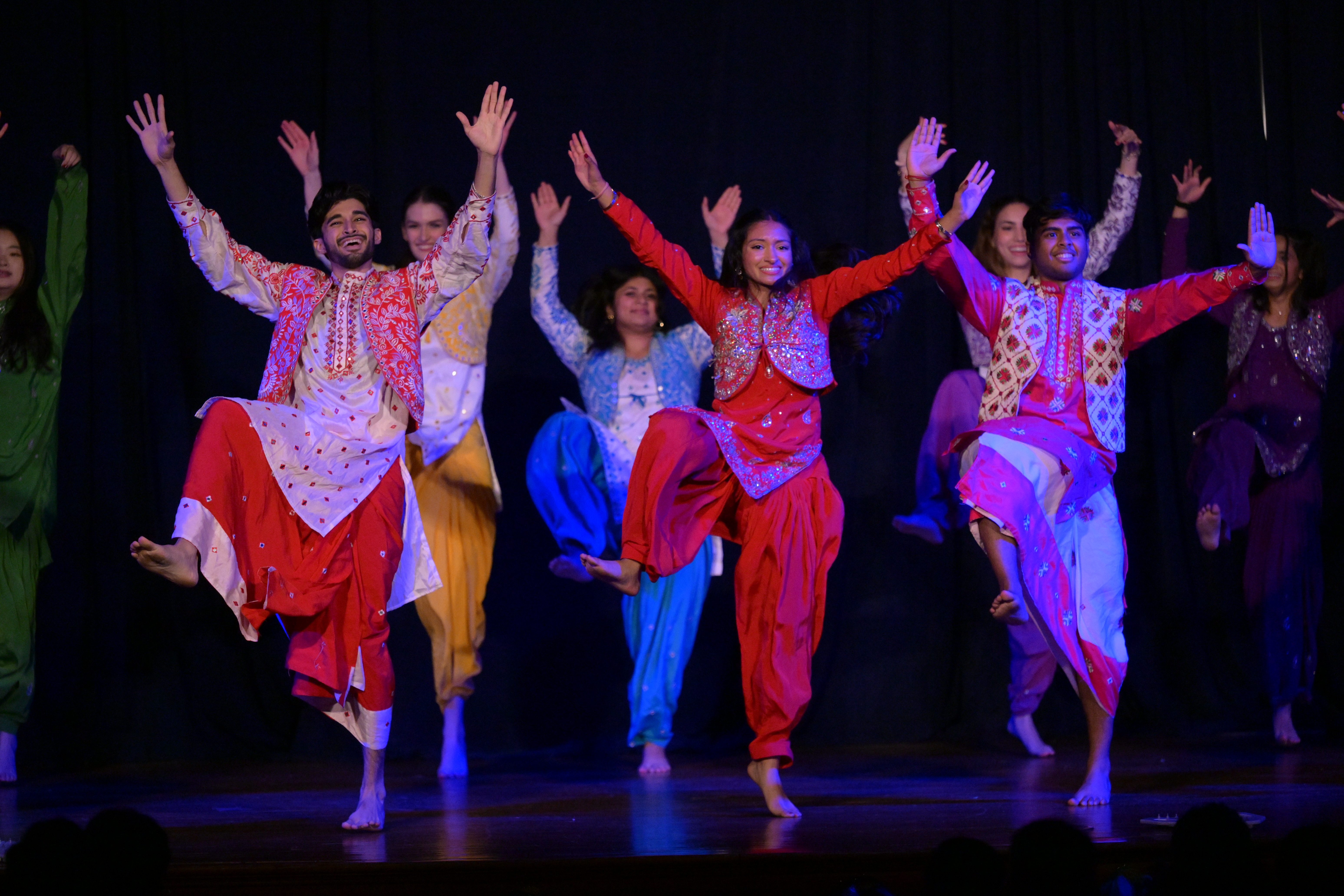
Bhangra is a high-energy traditional dance form from the Punjab region of India and Pakistan, originally performed during the festival of Vaisakhi. In the past few decades, bhangra has gained worldwide popularity in its traditional form and as a fusion with other styles.
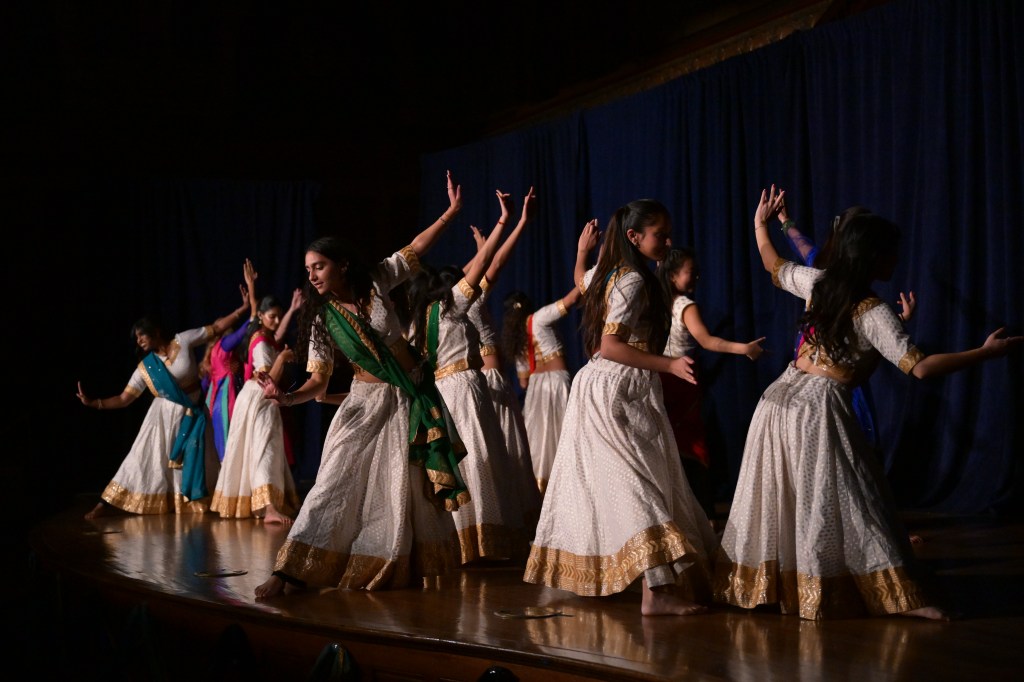
Classical fusion
This piece is typically a mix of classical South Asian dance forms, like Bharatanatyam, Kathak, Kathakali, Kuchipudi, Odissi, Sattriya, Manipuri, and Mohiniyattam, with Western dance forms. Classical Fusion seeks to expand the boundaries of classical dance by experimenting with various styles.
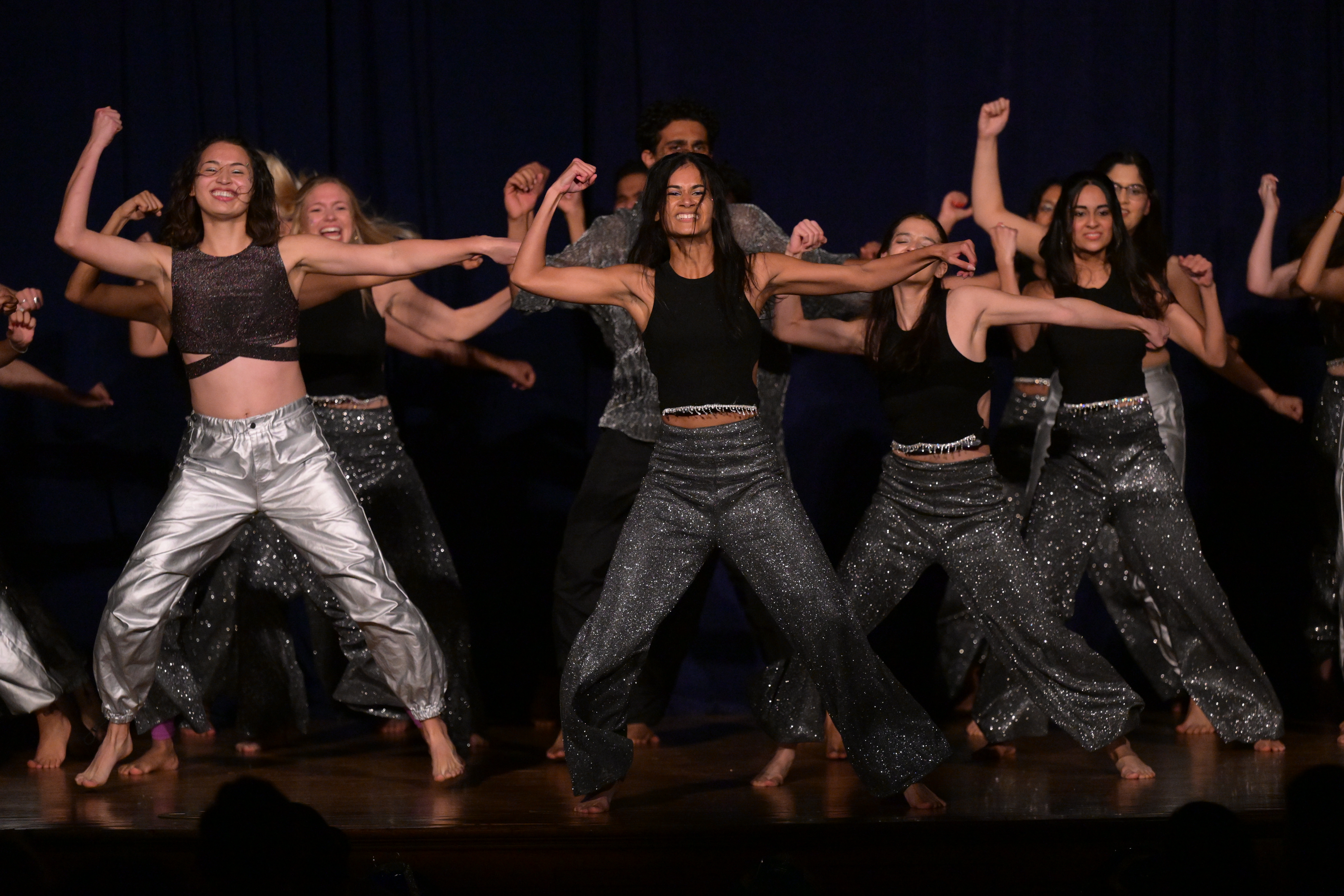
Desi Beat
This piece is primarily a showcase of hip hop in South Asia and around the world, characterized by upbeat music and a diverse range of dance styles. The performance features energetic, upbeat tunes that blend traditional South Asian elements with modern hip hop rhythms.
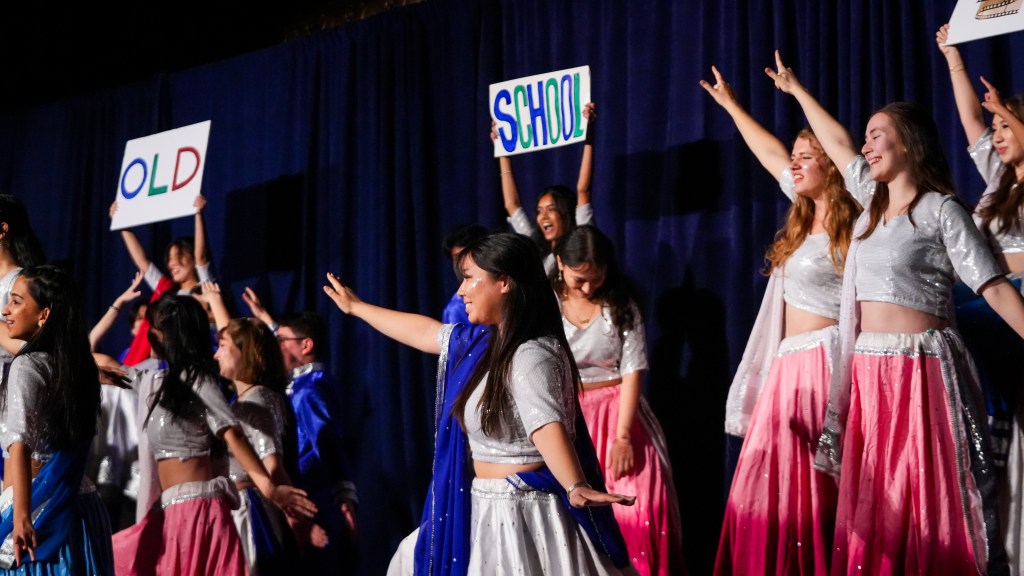
Old School
This dance throws it back to previous decades of South Asian films and music, fusing these songs with classic American tracks. The dance itself exhibits both traditional and contemporary steps and can feature some of the most iconic choreography from these times.
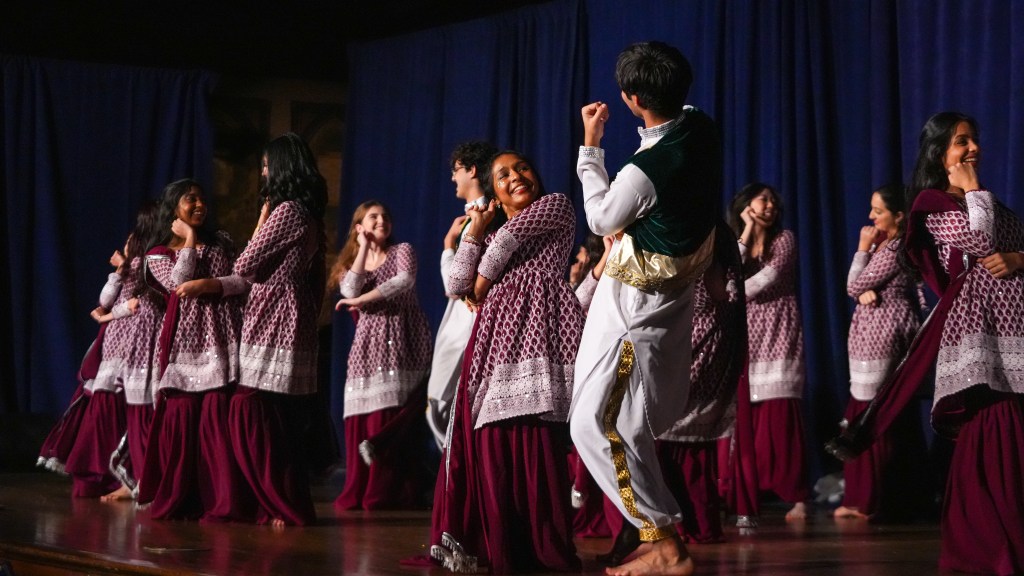
Pakistani Mastani
Pakistani Mastani is a blend of dances honoring the diverse cultures and traditions of all of Pakistan’s provinces. This performance features various regional languages and dance styles, showcasing Pakistan’s rich heritage and linguistic diversity. Mastani means ‘carefree, mischievous, happy-go-lucky’ in Urdu, the national language of Pakistan.
Ramta Raas
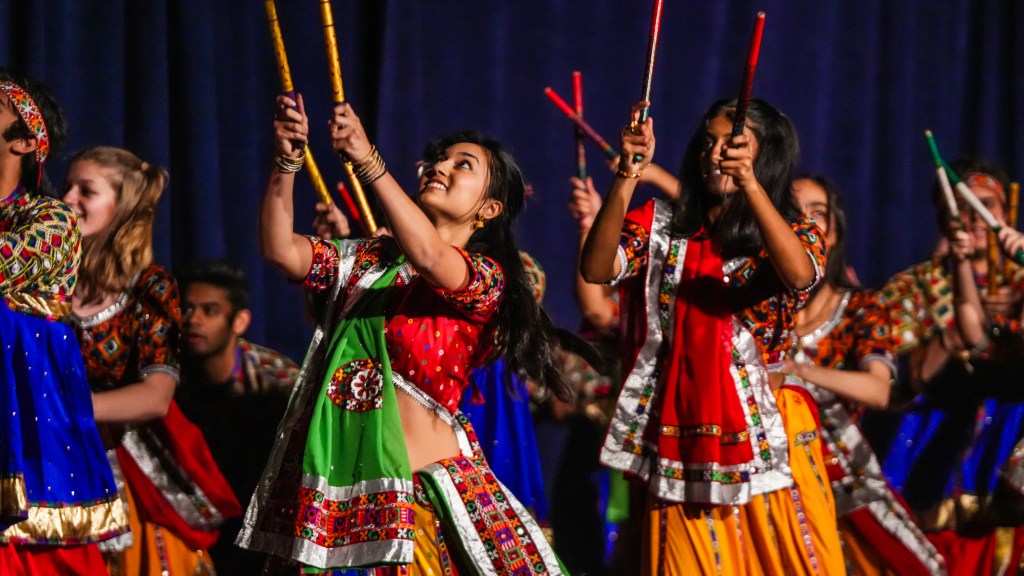
Raas, along with Garba, is a folk dance originating from the state of Gujarat in India. Garba is usually performed in circles, while Raas is performed with sticks called dandiya. These socio-religious dances are traditionally associated with Hindu festivals like Navratri but have expanded to become an important part of South Asian diasporic culture.
Southern suvai
“Suvai” is the Tamil word for “taste.” This energetic piece highlights music and dance from the southern regions of India, including states like Andhra Pradesh, Karnataka, Kerala, Tamil Nadu, and Telangana. It involves a variety of dance styles and musical genres, including dappankuthu (or kuthu), folk, and hip hop.
suave taal
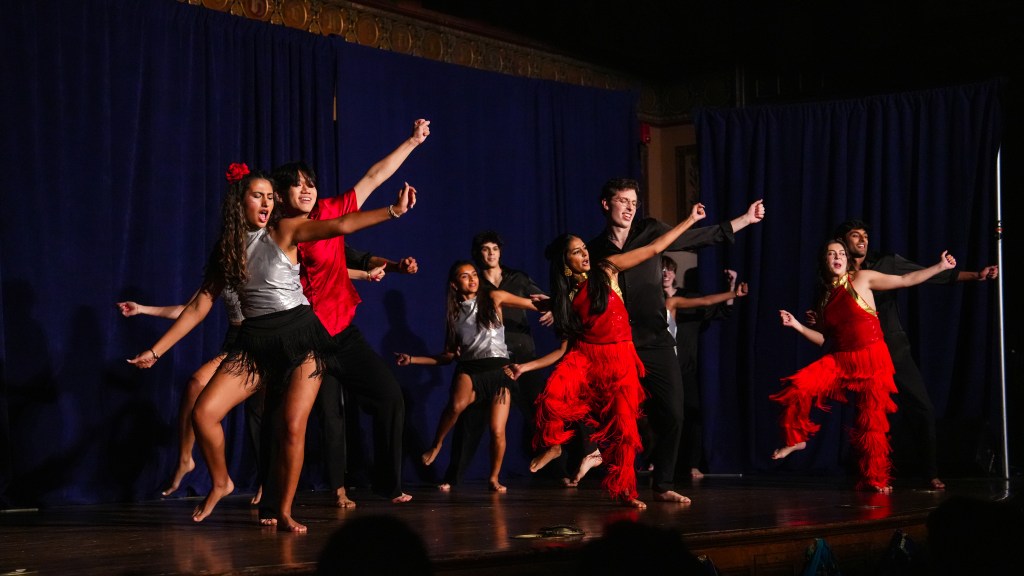
Suave Taal, which translates to “smooth beats” in Spanish and Hindi, is a dynamic and vibrant dance characterized by the energetic footwork, fluid turns, and rhythmic hip movements that are common to Latin and South Asian dance styles. The music and dance combines modern South Asian styles with Latin styles including salsa, bachata, reggaeton, and flamenco.
Studio rangila
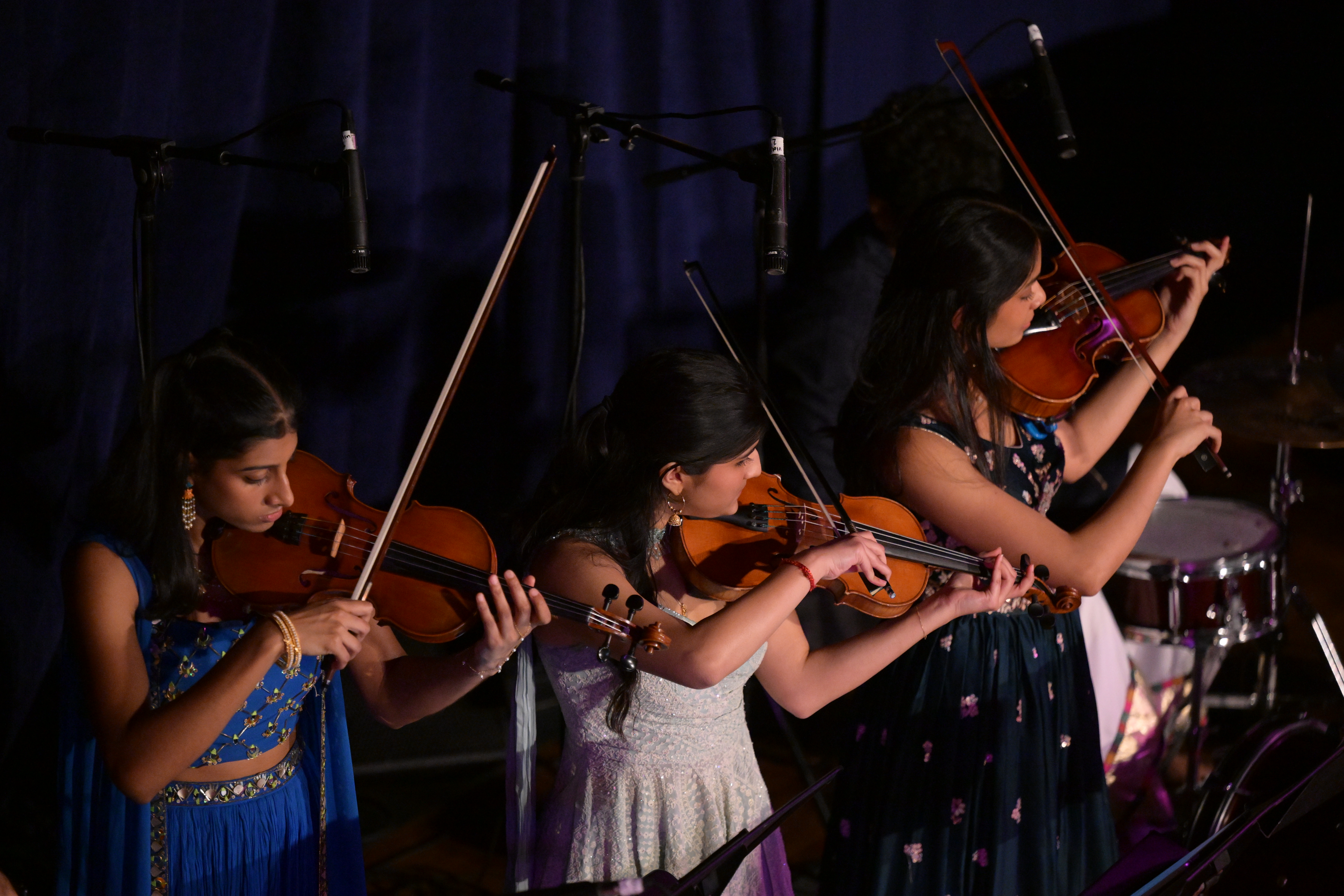
Studio Rangila showcases music from all over South Asia and highlights vocal and instrumental talent. Every year, it incorporates elements of different musical styles and features numerous languages.

